Two different Lymph Savior ingredient lists are in circulation, so check the label on the bottle you receive.[1][2] The most detailed one contains horse chestnut extract, which has reasonable evidence for leg pain and swelling caused by vein problems,[3] plus centella and several traditional herbs with little research. We found no clinical trial of Lymph Savior itself, and headline marketing figures such as a "548%" swelling reduction are not supported by any published data we could find.[2]
Lymph Savior at a glance
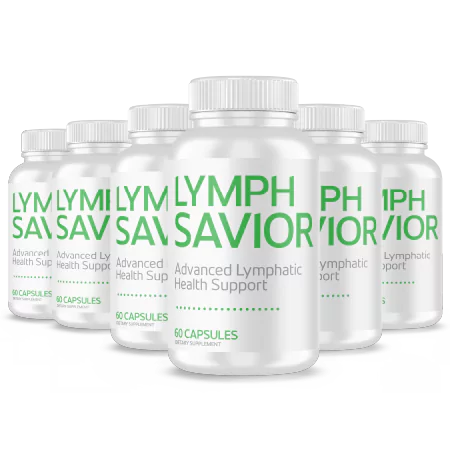
| Format | Capsules, 2 per serving[2] |
|---|---|
| Maker (per label description) | Natural Living Now (Azura Vital Balance), Sheridan, Wyoming; distributor listed in Akron, Ohio[2] |
| Label transparency | Doses shown on the detailed label; a second listing shows a different formula without doses[1][2] |
| Product-specific trials | None found |
| Main cautions | Blood thinners (horse chestnut), pregnancy and breastfeeding (red clover), daisy-family allergy (echinacea)[4][5][6] |
| Reported prices | About $69 for one bottle to $294 for six, depending on the page[2] |
| Reported guarantee | 60 days on the main page, 180 days on a video-ad checkout page[2] |
Before you read: swelling can be serious
Get medical help first if…
- Call 999 (or your local emergency number) if swelling comes with chest pain or tightness, breathlessness, coughing up blood, or feeling faint. These can be signs of a blood clot in the lungs.[12]
- Get an urgent GP appointment or call 111 if swelling is in one leg only with no clear cause, is sudden, painful or getting worse, the skin is red or hot, or you have a high temperature.[12]
- See a GP if swelling in both legs has not improved after a few days, or you have a heart, kidney or vein condition.[12]
What is in Lymph Savior?
A 2026 article describing the physical label lists these amounts per 2-capsule serving.[2] A retailer listing shows a different, eight-ingredient formula (turmeric, cinnamon, prickly pear, cassia, goji, bitter melon, holy basil and olive leaf) without doses.[1] The table covers the detailed version.
| Ingredient | Amount | What the research shows | Cautions |
|---|---|---|---|
| Red clover extract | 225 mg | Studied for menopause symptoms and bone health with inconsistent results; not studied for lymph.[5] | May be unsafe in pregnancy or breastfeeding.[5] |
| Red root powder | 210 mg | Traditional use only; we found no clinical trials. | Little safety data. |
| Horse chestnut seed extract (20% aescin) | 200 mg | A 2012 systematic review of 17 studies found it can improve symptoms of chronic venous insufficiency; one study suggested it may be as effective as compression stockings.[4][3] | Dizziness, stomach upset, headache, itching; raw seeds are toxic.[4] Ask first if you take blood thinners. |
| Centella asiatica (gotu kola) | 125 mg | A 1987 placebo-controlled trial in 94 people with venous insufficiency found less heaviness and oedema with a titrated extract at 60 to 120 mg a day.[7] Old and small. | Limited safety data in long-term use. |
| Burdock root | 100 mg | Traditional "cleansing" herb; no good lymph research found. | Daisy-family allergy possible. |
| Yerba mate | 100 mg | Mainly a source of caffeine. | Caffeine can disturb sleep.[8] |
| Stillingia root | 100 mg | Traditional use only; no clinical trials found. | Little safety data. |
| Olive leaf extract | 75 mg | No lymph research found. | Generally used as a food-related extract. |
| Cleavers | 75 mg | Traditional "lymph herb"; no clinical trials found. | Little safety data. |
| Ginger root | 50 mg | Some evidence for pregnancy-related nausea; not studied for lymph.[9] | Heartburn, stomach upset.[9] |
| Echinacea purpurea | 25 mg | Studied mainly for colds.[6] | Allergic reactions, sometimes severe.[6] |
Does Lymph Savior work?
We found no published clinical trials of Lymph Savior. The strongest ingredient evidence is for horse chestnut seed extract, and that evidence is about vein-related leg symptoms (chronic venous insufficiency), not lymphoedema.[3] Trials used standardised extracts at their own doses, so a blend containing horse chestnut is not proven to give the same results.
For lymphoedema, the treatments with evidence are compression, skin care, exercise and specialist massage.[10][11] A supplement is not a substitute.
About the marketing claims: the "548%" figure and "2-Second Edema Flush" headline used in Lymph Savior's video advertising have no published method, population or trial behind them.[2] Treat them as advertising, not evidence.
Side effects and who should avoid it
- Blood thinners or bleeding disorders: ask a doctor or pharmacist first because of horse chestnut.[2][4]
- Pregnancy or breastfeeding: avoid; red clover may be unsafe and safety of horse chestnut is unknown.[5][4]
- Allergy to daisy-family plants (ragweed, chrysanthemum): echinacea and burdock may trigger reactions.[6]
- Caffeine sensitivity: yerba mate contains caffeine.
- Possible digestive upset, dizziness or headache.[4]
Price and guarantee
Pages reviewed in 2026 showed about $69 for one bottle, with lower per-bottle prices for 3 and 6 bottles ($294 for six on both pages). The refund window differed: 60 days on the main product page (original shipping not refunded) and 180 days on a video-ad checkout page.[2] Check the terms on the exact page you buy from and keep a copy.
Lymph Savior Reviews and Complaints: What We Could Verify
We have not independently verified a representative set of customer reviews or complaints for Lymph Savior. The sources cited on this page do not establish how often buyers experience delivery problems, refund disputes, side effects or a lack of results. We therefore do not report complaint rates or present promotional testimonials as independent evidence.
Our documented concerns are the conflicting ingredient lists, differing reported refund windows and unsupported advertising figures discussed above. These are findings from the sources reviewed, not verified customer complaints.
Before ordering, check the current seller identity, complete label, delivery terms and refund conditions. When reading customer feedback, look for the exact product, dated purchase details and a clear account of what happened. A testimonial does not establish that the supplement works.
Pros and cons
Strengths
- The detailed label lists doses
- Includes horse chestnut, the best-studied herb in this category
- Capsule format
Drawbacks
- Two different ingredient lists in circulation
- No product trials; most herbs have little research
- Unsupported marketing figures
- Several medication and pregnancy cautions
Our verdict
Lymph Savior contains one ingredient with genuine evidence for vein-related leg symptoms and a number of traditional herbs with little research behind them. Its advertising goes well beyond what the evidence supports. If you are considering it, confirm the label on your bottle, check it with a pharmacist, and do not use it in place of medical care for swelling.
Looking for an option you can buy today?
Compare ingredients, cautions and refund terms before you decide.
Affiliate link: we may earn a commission at no extra cost to you.
Common questions
Is Lymph Savior legit?
It is a real supplement sold online, with a label naming a Wyoming company.[2] "Legit" does not mean proven: we found no clinical trials of the product.
What are the side effects of Lymph Savior?
Possible stomach upset, dizziness, headache and itching (horse chestnut), allergic reactions (echinacea), and caffeine effects (yerba mate).[4][6]
Can Lymph Savior treat lymphedema?
No supplement has been shown to treat lymphoedema. Treatment is compression, skin care, exercise and specialist massage.[10]
Keep reading
Sources
We checked each source on 12 October 2026. Numbers in the text link to this list.
- Retailer listing: Lymph Savior Advanced (ingredient list) (viewed 12 October 2026; the listing has since been removed)
- Sponsored article describing the Lymph Savior label, prices and guarantee (2026)
- Pittler MH, Ernst E. Horse chestnut seed extract for chronic venous insufficiency. Cochrane review, 2012
- NCCIH: Horse chestnut
- NCCIH: Red clover
- NCCIH: Echinacea
- Pointel JP et al. Titrated extract of Centella asiatica in venous insufficiency of the lower limbs. Angiology, 1987
- NHS: Insomnia
- NCCIH: Ginger
- NHS: Lymphoedema
- National Cancer Institute: Lymphedema (PDQ), health professional version
- NHS: Swollen ankles, feet and legs (oedema)
This guide is general information, not medical advice. It has not been reviewed by a doctor. Read our medical disclaimer.